
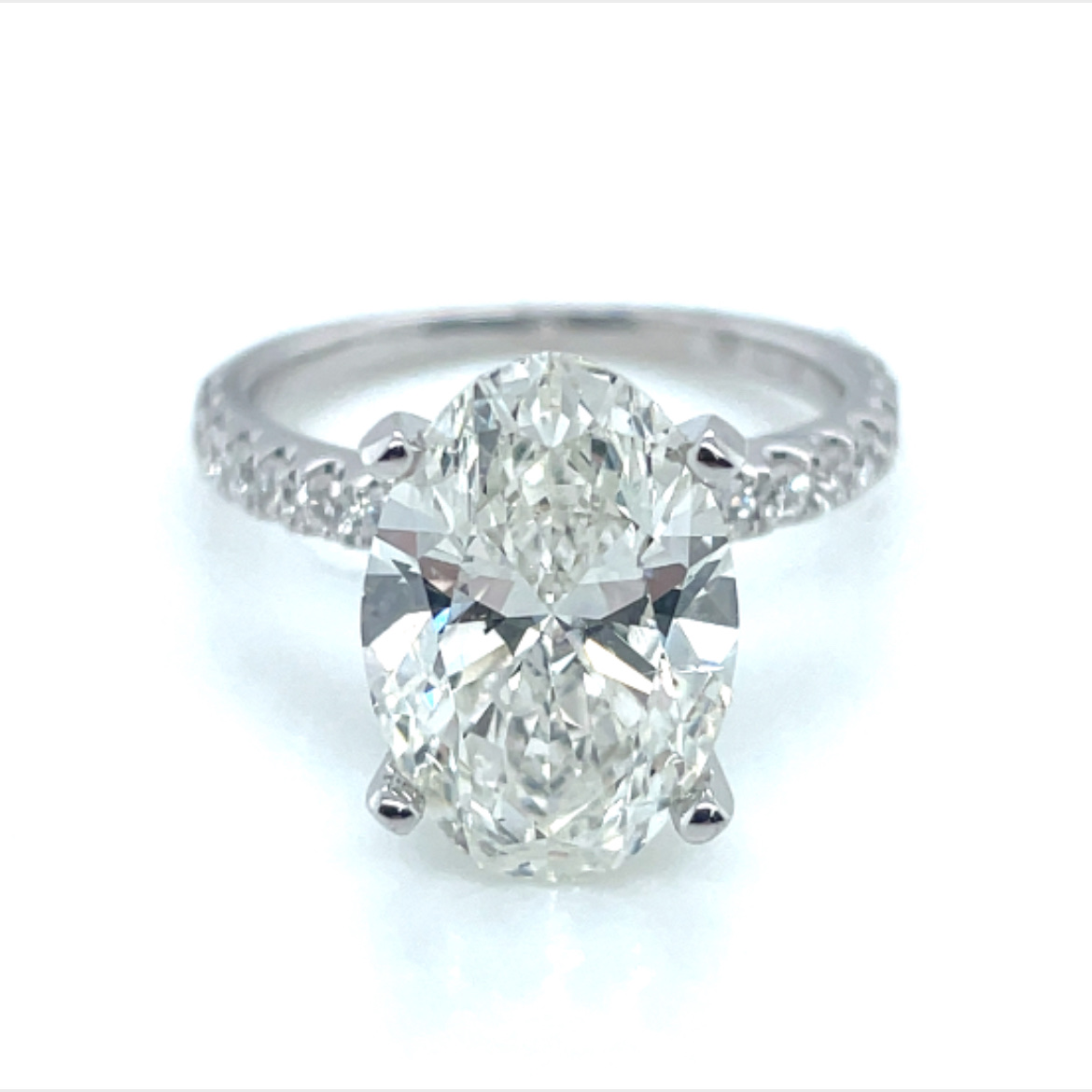
When you invest in a diamond, you want more than just shine—you want certainty. Unfortunately, not every stone that sparkles is the real thing. With high-quality simulants like moissanite or cubic zirconia on the market, spotting the difference isn’t always easy. For anyone shopping for wholesale diamonds in Metairie, knowing how to tell if a diamond is real or fake can protect your wallet and your peace of mind. At Béjé Diamonds, transparency is a top priority, and helping clients make confident, informed decisions is part of the experience.
Why Authenticity Matters
A real diamond is more than just a gemstone—it’s a long-term investment. It carries lasting value, emotional significance, and often becomes an heirloom passed down for generations. A fake diamond, on the other hand, may look convincing but lacks the durability, brilliance, and certification that make the real thing special.
Beyond the emotional value, buying a fake or misrepresented stone can mean overpaying for something that won’t hold its worth. That’s why authentication should never be skipped, especially when making significant jewelry purchases.
Visual Clues You Can Check at Home
While professional verification is always the gold standard, there are a few basic checks you can try at home to get a first impression:
- Fog Test: Breathe on the stone like you would on a mirror. A real diamond disperses heat quickly and clears up almost immediately, while fake stones tend to stay foggy for a few seconds.
- Water Test: Drop the loose stone into a glass of water. Real diamonds are dense and will sink, while most fakes will float or hover.
- Light Reflection: Real diamonds reflect light with sharp brilliance and give off a mix of white (brilliance) and colored (fire) light. Fakes often look too “glassy” or dull.
- Read-Through Test: If you can clearly read text through the flat side of a stone, it’s likely not a real diamond. Authentic diamonds refract light so strongly that text underneath becomes blurry or invisible.
These tricks aren’t foolproof, but they can help raise red flags before you commit to a purchase.
The Importance of Professional Testing
Even with good eyesight and home tests, some diamond simulants are convincing enough to fool anyone. That’s where professional jewelers like beje jewelry come in. Using specialized tools like diamond testers, loupe magnification, and UV lights, experts can accurately identify whether a stone is genuine.
At Béjé, every wholesale diamond undergoes independent grading and certification, which means customers never have to rely on guesswork. This level of transparency builds trust and ensures buyers know exactly what they’re getting.
Key Differences Between Real and Fake Diamonds
Hardness and Durability
Diamonds are the hardest natural substance on Earth, ranking 10 on the Mohs scale. They resist scratches that would damage softer imitation stones.
Weight and Density
Many simulants are lighter than real diamonds. Even two stones with the same dimensions can have different weights, which trained professionals can easily measure.
Refractive Qualities
Real diamonds have high refractive indices, giving them unmatched sparkle. Fakes might reflect light but don’t create that same sharp brilliance and fire.
Certification
Perhaps the most reliable indicator of authenticity is a diamond certificate from a respected lab like GIA, AGS, or IGI. At Béjé, certification is standard practice, not an add-on.
Why Certification Is Non-Negotiable
Certification isn’t just a piece of paper—it’s proof that your diamond has been evaluated by experts. It verifies the stone’s authenticity, quality, and grading across the 4Cs: cut, color, clarity, and carat weight. This protects you from overpaying and gives you documentation for insurance or future resale.
Many jewelry stores in Metairie may showcase stones without certification, leaving buyers to rely on a salesperson’s word. Béjé takes a different path—every certified stone comes with trusted documentation, so you know exactly what you’re purchasing.
Common Diamond Imitations You Should Know
- Moissanite: Very similar sparkle but slightly different refractive properties.
- Cubic Zirconia: Often too perfect-looking, with less brilliance and more rainbow reflections.
- Glass: Easily scratched, lower density, and dull sparkle.
- Lab-Grown Diamonds: Technically real diamonds but created in a lab. They require special equipment to distinguish from natural stones.
Béjé’s team is trained to detect these subtle differences and explain them clearly to customers.
Why Béjé Is the Right Place to Buy Authentic Diamonds
When it comes to wholesale diamonds in Metairie, Béjé Diamonds is committed to helping every client buy with confidence. Their experts don’t just sell stones—they educate buyers, walk them through the verification process, and back each purchase with trusted certification.
Instead of rushing you through a sale, they take time to explain what makes your stone unique, why it’s certified, and how to care for it over time.
Shop With Confidence
Buying a diamond should never feel uncertain. When you understand how to tell if a diamond is real or fake, you protect your investment and ensure your piece carries lasting value.
If you’re ready to shop for certified wholesale diamonds in Metairie, schedule an appointment with Béjé Diamonds today. Their team will help you find a stone that isn’t just beautiful—it’s authentic, certified, and truly yours.